Putting Down the Weight of Old Hurt
Some of the hardest people to forgive are the ones who never believed they did anything wrong. Learning to forgive someone who never apologized is one of the most difficult and freeing journeys a person can undertake.
They never came to you with tears in their eyes. They never sat across from you and said, “I know I hurt you. I’m sorry.” Some leave this world still convinced they did the best they could. And maybe, in some ways, they did.
But you’re still carrying the weight of what happened.
And that weight? It was never meant to be yours forever.
The Question That Changed Everything for Me
For years, I was angry at my mom for not being who I needed her to be.
Not the quiet kind of anger either. The kind that settles into your body. The kind that shows up in your relationships, your reactions, your anxiety, and the way you brace yourself every time the phone rings.
Then one day, someone asked me a question I wasn’t prepared for: “What do you think happened to her that made her this way?” I had never seriously considered it before. I was too busy trying to survive the hurt to think about the hurt inside of her.
But that question cracked something open in me.
I can only describe it as a Holy Spirit moment because something shifted almost instantly. For the first time in my life, I stopped asking, “Why did she hurt me?” and started asking, “Who hurt her first?”
Slowly… not overnight, and definitely not easily… I began to see my mother not just as the person who wounded me, but as a human being. A broken woman who had never learned how to love well, and maybe really did do the best she knew how to with what she had.
That realization didn’t erase the pain. But it helped me understand it, and understanding was the beginning of freedom.

What Forgiveness Is Not
Before we go further, let’s clear something up because forgiveness is often misunderstood.
Forgiveness is not:
- Saying what happened was okay
- Pretending you weren’t hurt
- Reconciliation with someone who is still unsafe
- Forgetting
- Excusing abuse or dysfunction
Being able to forgive someone who never apologized does not mean pretending the pain never happened. You can forgive someone completely and still maintain boundaries. You can forgive someone who has passed away. You can forgive someone who never apologizes, never changes, and never even knows you did it.
Forgiveness does not always change the other person. But it changes what their pain continues to own inside of you.
Why We Hold On
Here’s something nobody talks about enough:
Staying angry can feel powerful.
When someone hurts you and never takes responsibility for it, unforgiveness can feel like the only control you have left.
They don’t get to hurt me and walk away free.
I understand that feeling because I lived there for a long time. But eventually I realized something hard and freeing at the same time:
Unforgiveness doesn’t punish them… It imprisons you.
The person you’re angry at may be going about their life completely unaffected while you are still carrying the emotional weight of what they did everywhere you go.
At some point, you have to decide whether staying angry is protecting you… or keeping you stuck.
Three Things That Actually Helped Me
1. Seek understanding before you seek release
You do not have to excuse someone’s behavior to become curious about their story.
What were they carrying? What shaped them? What pain did they normalize long before they ever handed it to you?
Seeing someone clearly does not minimize what they did. But it can soften the sharp edges of bitterness enough for healing to begin.
When I finally allowed myself to see my mother as fully human instead of simply as the source of my pain, something in me loosened. Not all at once. But enough to breathe again.
2. Say it out loud… even if they can’t hear you
Write the letter you never send. Talk to God in your car. Sit in the quiet and finally say the words your heart has resisted for years:
“I forgive you.”
Not because they earned it. Not because they asked. But because you are tired of carrying it.
Forgiveness is rarely a one-time emotional moment. Most of the time, it’s a decision you revisit over and over until your heart slowly catches up.
3. Tell the truth about your story
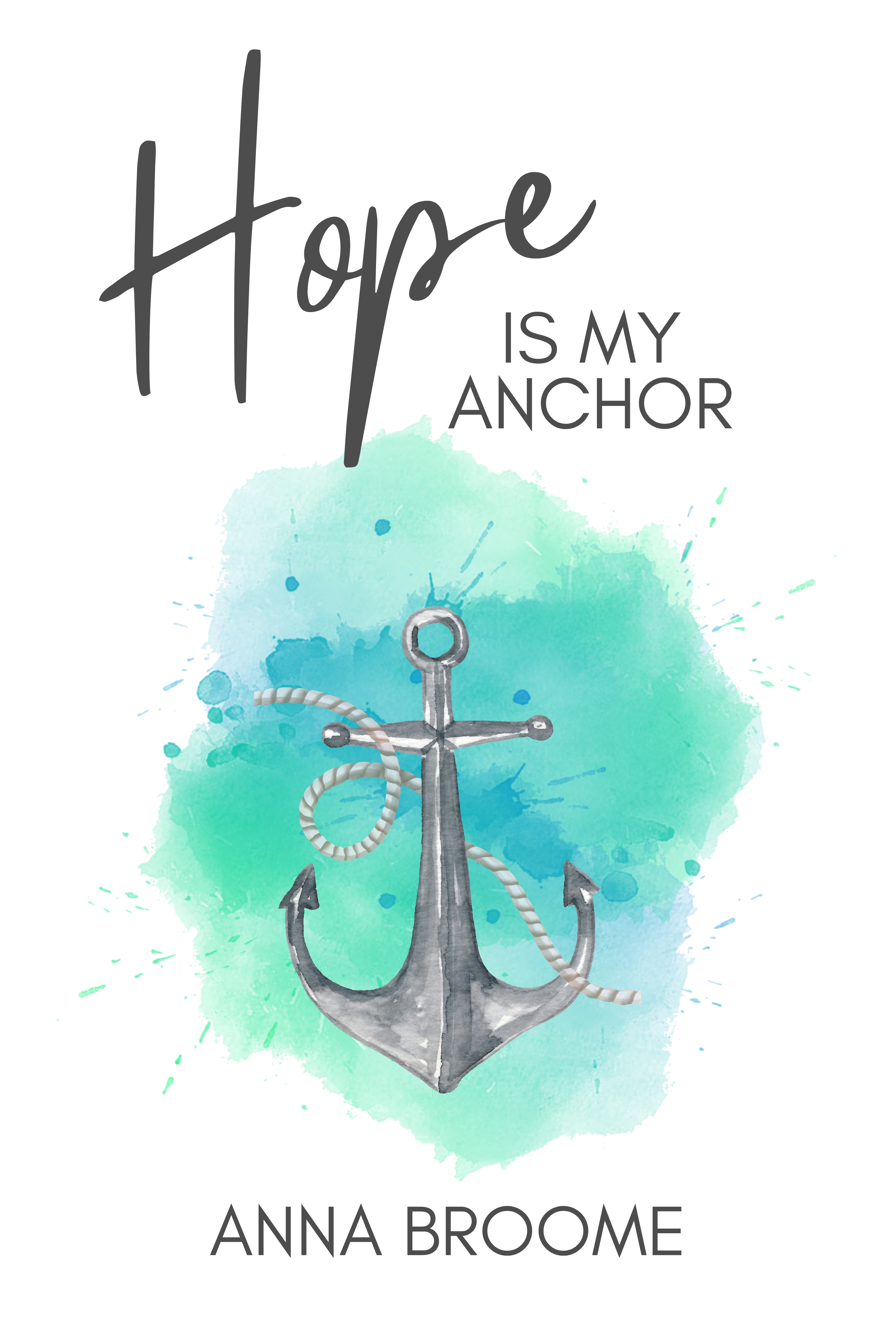
One of the most unexpected parts of writing my book, Hope Is My Anchor, was realizing how much healing happened while writing it.
I originally set out to tell my father’s story. A twelve-year-old boy who ran from poverty and violence in Crete and eventually made his way to America.
But to tell the truth about one person’s story, you eventually have to tell the truth about the whole family. Even the painful parts. Even the complicated people.
And somewhere in the process of putting those stories onto paper, something inside of me began to release.
There is something deeply healing about taking a story that has lived silently inside your body for years and finally giving it words.
Whether that happens through journaling, conversation, prayer, counseling, or writing a book, telling the truth is often where freedom begins.
A Note about Faith
If you share my faith, then you already know forgiveness is not just a good idea. It’s something we are called to.
But I also know this:
Knowing you should forgive and actually being able to do it are two very different things. I sat in church pews for decades, hearing sermons about forgiveness while carrying a heaviness in my chest that never seemed to move.
Real forgiveness usually takes more than willpower. It takes honesty. It takes time. And sometimes it takes God gently softening places in us that have been hardened by pain for years.
So if you are struggling with forgiveness today, give yourself grace in the process. Healing is rarely instant. But freedom is possible.
I know because I have lived the difference between carrying bitterness and finally laying it down.
You Don’t Need Their Apology to Be Free
If you are still waiting for the person who hurt you to finally understand what they did… to finally say the words… to finally make it right…
You may wait a very long time. They may never come. And your peace should not remain tied to a moment that may never happen.
If I had waited for my mother to fully understand how deeply some of her choices affected me, the final years of our relationship would have looked very different. And not in a good way.
Forgiveness did not erase what happened. But it allowed me to stop living emotionally chained to it. That is what forgiveness really is. Not pretending the wound never existed. But choosing not to bleed from it forever.
And that kind of freedom is available to you too. Right now. With or without their apology.
If this post about learning to forgive someone who never apologized resonated with you, my novel Hope Is My Anchor was born from this exact journey. Learning to understand a family story deeply enough to finally find peace with it. You can find it on Amazon here.
And if your parents or grandparents are still here, don’t wait too long to ask the questions that matter. So many stories disappear simply because nobody thought to ask. Download my free guide: 20 Questions to Ask Your Parents Before It’s Too Late
Sometimes understanding where someone came from changes everything.
And if you’d like more reflections on faith, family, forgiveness, and preserving the stories that shape us, subscribe here, and new posts will be delivered straight to your inbox.
Leave a Reply